
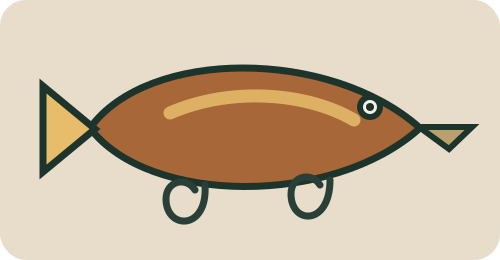
Confirm that the body is wood
Look for grain at chips, screw holes, hook rash, and worn edges. Turned wood may show concentric shaping; carved bodies can show asymmetry. Paint can conceal grain, while early plastics may imitate wood shapes.
Study the hardware system
Screw eyes, surface-mounted hook hangers, cup rigs, through-wire construction, and lip attachment can narrow a model family or production period. Hardware is also frequently replaced, so look for enlarged holes, mismatched screws, bright metal, or disturbed paint.
Wood-specific condition
Water intrusion can cause swelling, belly splits, lifting paint, loose eyes, and joint damage. Do not clamp, fill, or glue a collectible lure before documentation and specialist advice.
Read finish wear
Natural wear tends to follow contact points, hook swing, edges, and handling. Repaint may cover hardware, pool in seams, obscure stamps, or create color where older wear should show.
See what collectors are listing now
Inventory changes constantly. Open a focused eBay search and compare markings, condition, boxes, and seller photographs before buying.
Search eBay listingsReady to start browsing?
See current Identify Vintage Wooden Fishing Lures listings on eBay →